Mastering Layouts: Expert Tips for Functional and Beautiful Homes Feb 08, 2026
The first step to mastering layouts is to understand how space will be used. Consider the flow of your home. High-traffic areas such as kitchens, living rooms, and hallways require careful planning to maintain functionality. Open floor plans can enhance this flow by eliminating barriers such as walls, making spaces feel larger and more welcoming. By integrating the dining area into the kitchen, or creating a seamless transition from the indoor living space to your outdoor patio, you enrich your home's livability while crafting eye-catching, expansive views.
Functionality is essential; however, it should not overshadow the style. Choosing a cohesive theme or color palette can unify your spaces, giving the impression of a well-thought-out design. Neutral tones are often recommended as they create a serene backdrop that allows flexibility with decor elements. Consider textures as well, as they add depth and interest. Materials like wood, stone, and metal can introduce warmth or coolness, balancing your home’s ambiance.
Storage solutions play a critical role in maintaining a clean, organized home. Thoughtfully designed built-ins, under-seat storage, and vertical shelving can dramatically enhance your home's functionality without sacrificing design. In bedrooms, opt for built-in closets that maximize space and consider multifunctional furniture like ottomans or benches with compartment features.
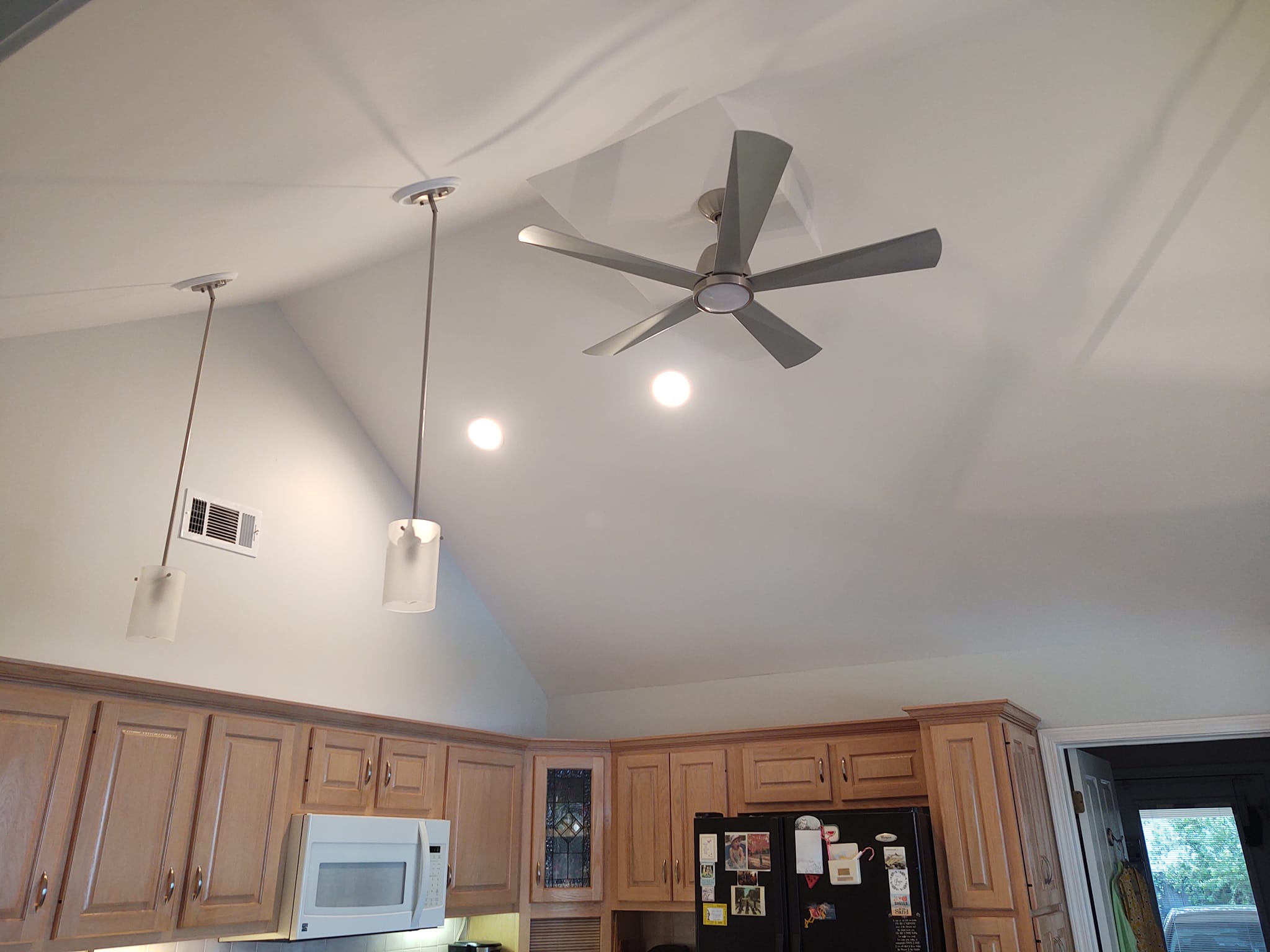
Lighting is a pivotal yet often underestimated aspect of home layouts. Natural light can elevate any room by making it appear larger and more welcoming. Strategically placed windows and skylights can flood your home with sunlight, creating an invigorating environment. For evenings, layered lighting with strategic installations of ambient, task, and accent lights will cater to all your activities while ensuring aesthetic charm.
In the kitchen and bathroom, where functionality is paramount, embrace layouts that offer ease of movement and accessibility. The triangle layout in kitchens – connecting the stove, refrigerator, and sink – is a principle that encourages efficiency. Bathrooms can benefit from layouts that separate functionalities, such as distinct wet and dry areas, ensuring a tranquil and practical environment.
When planning an addition or renovation, consider future-proof layouts. As your needs evolve, flexible spaces that can adapt will save you time and expense down the road. Children may require play areas now but will need study spaces later. Home offices should be designed to easily convert into guest rooms or hobby areas.
Finally, trust the professionals. Working closely with BDI Home Improvement means tapping into expert insights and experience. Skilled designers and remodeling specialists understand the nuances of crafting spaces that reflect your needs and desires while leveraging innovative solutions.
By following these expert tips and strategies, you not only enhance the practicality of your home but also imbue it with a warmth and elegance that elevates everyday living. Remember, a successful layout is one that accommodates your lifestyle, embraces your aesthetic vision, and prepares your home for the future.
/filters:no_upscale()/filters:format(webp)/media/48d2387a-33d1-4bd0-bbea-a947791ddd44.jpeg)